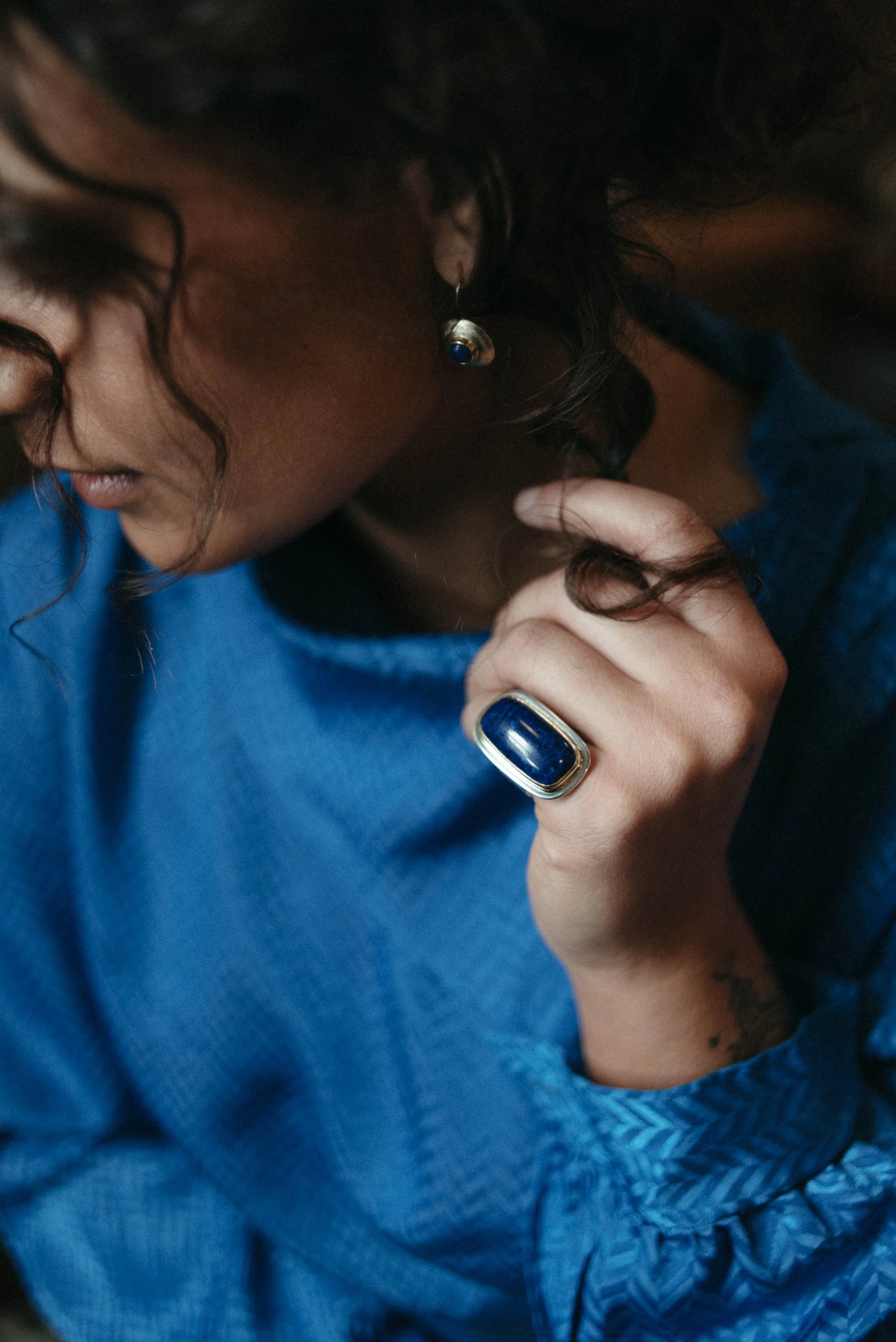
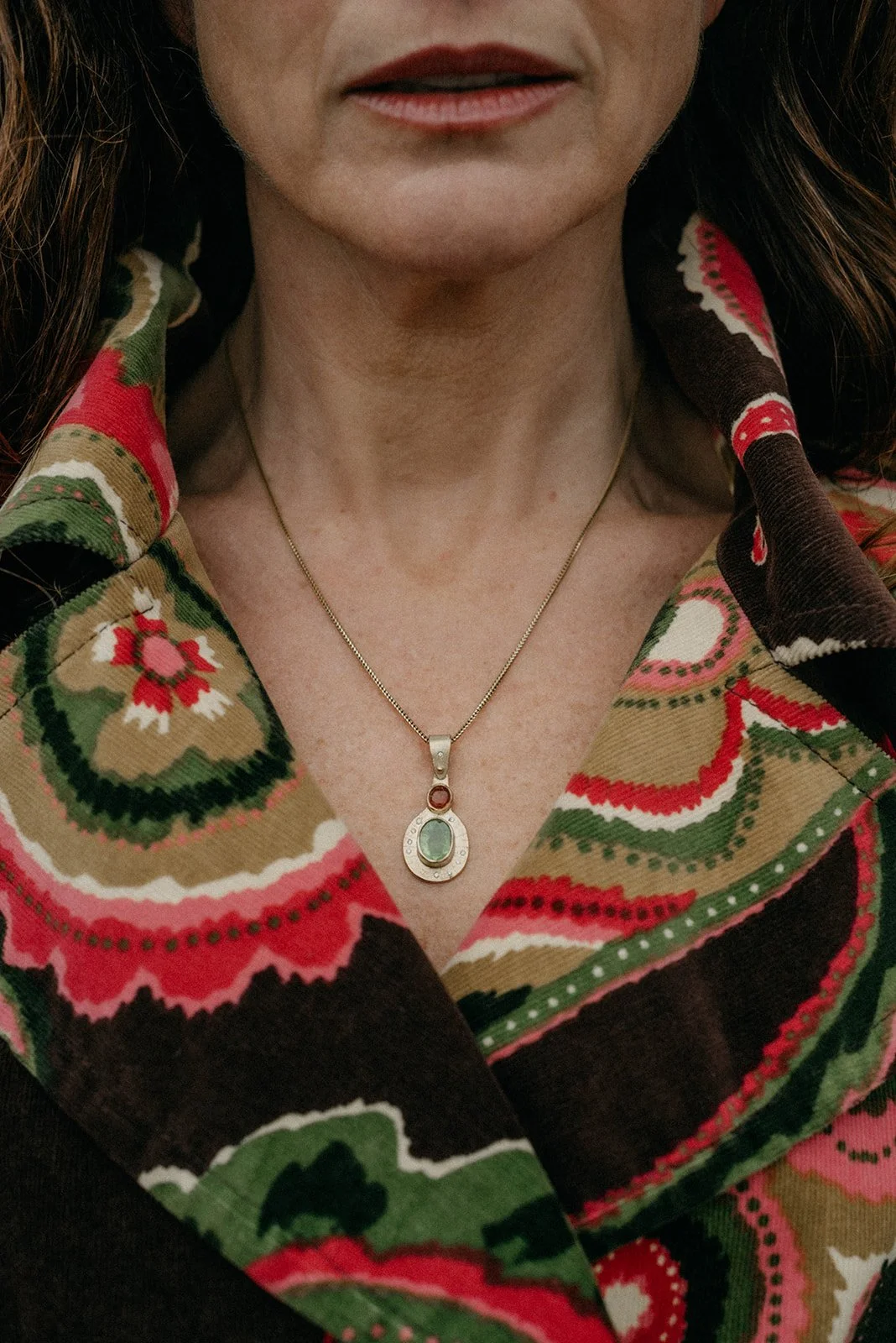
Ensure that you remove your jewelry when washing your hands and putting on lotion, perfume or face cream.
Take your regular activities into account when choosing your jewelry. Avoid wearing them on the beach, at the swimming pool, working out, or to play sports so as to avoid knocks, scratches and damage to the stones. Wearing your jewelry should also be avoided when doing housework or gardening.
Jewelry and Gemstone Care
Jewelry & Gemstone Care
Every piece we make is forged by hand from recycled high-karat gold, platinum and silver, and it's meant to be worn every day and handed down. A little care keeps it that way.
Why We Work Only in High-Karat Gold
We use only 18k, 22k and 24k gold, and we never use 14k. 14k is just 58.3 percent gold, and the rest is mostly other metals. To us it's too little gold: the alloy is harder and more brittle, so over years of wear it's more prone to cracking, and it doesn't have the color or warmth of real gold. 18k is 75 percent gold, 22k is 91.7 percent and 24k is pure. We alloy all of it in house.
High karat gold is more ductile than 14k. It will pick up fine scratches and soften into a warm, satiny glow over time, which is how gold is supposed to age. It can always be repolished, and we're happy to do that for you.
Everyday Wear
Put your jewelry on last, after lotion, perfume, hairspray and makeup, and take it off first.
Take it off for swimming, hot tubs, cleaning, gardening, the gym and heavy work. Chlorine and household chemicals are hard on metal and stones, and a hard knock can chip a stone or bend a setting.
Wipe each piece with a soft, dry cloth after wearing to remove oils and sweat.
Storage
Store each piece on its own in its pouch or a soft-lined box so harder stones and metals don't scratch softer ones. Fasten chains before you put them away so they don't tangle.
Cleaning Gold and Platinum
Soak the piece for 3 to 5 minutes in warm water with a few drops of mild dish soap. Brush it gently with a soft toothbrush, rinse it in warm water and pat it completely dry with a soft, lint-free cloth. Don't use bleach, chlorine, abrasive powders or toothpaste. Platinum is dense and durable. With wear it develops a soft satin finish, which can be repolished.
Cleaning Silver
Silver tarnishes when it meets sulfur in everyday things like rubber, leather, wool, chlorine, sweat and polluted or salty air. Clean it with a soft cotton cloth dampened with diluted mild dish soap, rubbing in one direction rather than in circles. Rinse it and dry it well. We don't recommend silver dips or polishes. Storing silver in its pouch slows tarnish.
Oxidized (Blackened) Silver
We blacken some silver by hand with liver of sulfur, so every finish is a little different. The black will slowly wear back on high spots with use, which is part of its character. Keep these pieces dry, and don't use polishing cloths or silver cleaners, because they'll remove the finish. We can refresh it for you.
Keum-Boo
Keum-boo is an ancient Korean technique that fuses a thin layer of 24k gold onto fine silver with heat. That gold is soft, so clean these pieces only with mild soapy water and a soft cloth. Never use a polishing cloth or abrasive, which can wear through the gold.
A Rule for Every Stone
Unless a stone below says otherwise, clean it with warm water, mild dish soap and a soft brush, then rinse it and dry it. Never put our pieces in an ultrasonic or steam cleaner. Many of our stones are soft, porous, included or untreated, and the settings are made by hand. Avoid high heat and sudden changes in temperature.
Diamonds
Diamond is the hardest gem, but it isn't unbreakable. A sharp blow can chip its edge or split it along its natural grain. Diamonds attract oil, so regular cleaning with soap and water keeps them bright. This includes our white, cognac, champagne, golden and antique diamonds.
Sapphire, Padparadscha and Ruby
Sapphire and ruby, including padparadscha sapphire, are among the hardest and most durable gems, and they're ideal for daily wear. Clean them with soap and water.
Spinel
Spinel is hard and durable and holds up well to daily wear. Clean it with soap and water.
Emerald
Emerald is hard but brittle, with natural inclusions, and it is often treated with oil. Avoid heat, steam, ultrasonic cleaners, hot water and soaking, all of which can remove the oil or crack the stone. Rinse it briefly in lukewarm soapy water, dry it at once, and protect it from knocks.
Aquamarine, Morganite, Goshenite and Golden and Green Beryl
These are all forms of beryl, a hard and durable stone. Clean them with soap and water, and avoid knocks and high heat. Cat's-eye beryl gets its shifting band of light from fine fibers inside the stone, and it's cared for the same way.
Tourmaline
Tourmaline, including green, blue-green, bi-color and black, is durable for daily wear but can chip or crack if struck. Clean it with soap and water, and keep it away from heat and sudden temperature changes.
Garnet
This covers mandarin (spessartine), tsavorite and hessonite garnet. They're good for regular wear but can chip with a hard knock. Clean them with soap and water, and keep them away from heat and sudden temperature changes.
Peridot
Peridot is softer and easily scratched. It's sensitive to acids, heat and sudden temperature changes. Clean it with plain soapy water only, and keep it away from household chemicals.
Citrine and Chalcedony
Citrine and chalcedony are both quartz, which is durable for daily wear. This includes our blue, holly blue and purple chalcedony. Clean them with soap and water, and avoid harsh chemicals. Keep citrine out of long, strong sunlight and heat.
Ocean Jasper
Ocean jasper is a quartz-family stone that's tough but slightly porous. Clean it with soap and water, and keep it away from oils and chemicals.
Moonstone and Labradorite
Moonstone and labradorite are moderately soft and have natural planes of weakness, so a sharp knock can split them. Wipe them with a soft, damp cloth, avoid harsh chemicals, and take them off for hard work.
Opal
Opal is soft and holds water inside it. Keep it away from heat, sudden temperature changes and chemicals. Wipe it with a soft, damp cloth and never soak it. Take it off before hand-washing and heavy work, and store it away from harder stones.
Turquoise
Turquoise is soft and porous. It can absorb oils, perfume, lotion and cleaners, which changes its color. Clean it only with a soft brush and plain water, and dry it right away. Don't soak it, don't use soap or commercial cleaners, and store it apart from harder stones. Over years of wear, natural turquoise can slowly deepen in color, and that's part of its life.
Lapis Lazuli
Lapis is soft and porous. Wipe it with a soft cloth dampened with plain water and dry it right away. Keep it away from soaps, chemicals, perfume and heat, and don't soak it.
Fossilized Coral
Fossilized coral is soft and porous, and acids damage it. That includes perfume, vinegar, lemon, sweat and household cleaners. Wipe it with a soft cloth dampened with plain water, dry it at once, and don't soak it.
Check-Ups
Every so often, look at prongs, bezels and clasps for anything loose or worn, and stop wearing a piece if a stone moves. If a piece needs a cleaning, repolish, refinish or repair, write to us at studio@bigsurgoldsmiths.com. We are always happy to polish, retexture and enliven any of our old work, including old Karl Lee work.
How do you clean a 22k gold and sterling silver ring?
Start with a soft cloth. For a deeper clean, soak the piece for 3 to 5 minutes in warm water with a few drops of mild dish soap, brush it gently with a soft toothbrush, rinse it, and pat it completely dry. The silver parts may need a gentle rub with the cloth, because silver tarnishes and 22k gold does not. If the ring holds turquoise or another soft, porous stone, skip the soap and the soak and use plain water only.
Will 22k gold tarnish?
No. Gold does not tarnish, and 22k gold is mostly pure gold, so its color holds over generations of wear. What changes is the surface, as fine scratches soften the finish into a warm, satiny glow. If a mixed metal piece darkens, it is the silver in it, not the gold.
Why does the silver in a mixed metal piece darken?
Silver darkens when it meets sulfur, which is present in everyday air, sweat, wool, leather, rubber and chlorine. Wipe the silver with a soft cotton cloth dampened with diluted mild dish soap, rubbing in one direction, then rinse it and dry it well. We do not recommend silver dips or polishes. Storing the piece in its pouch slows the tarnish.
Can I clean my jewelry in an ultrasonic or steam cleaner?
No. Never put our pieces in an ultrasonic or steam cleaner. Many of our stones are soft, porous or untreated, and every setting is made by hand, so the vibration and the heat can damage both. Warm water, mild soap and a soft brush are all a piece needs.
Will high karat gold scratch with wear?
Yes, fine scratches are part of wearing high karat gold. The metal is more ductile than low karat alloys, so it marks, and over time those marks blend into the warm, satiny finish that old gold is known for. If you ever want the surface refreshed, we can repolish a piece for you. Write to us at studio@bigsurgoldsmiths.com.
We stand behind every piece we make. For care questions, custom requests or a professional cleaning, email us at studio@bigsurgoldsmiths.com.